SubV Quadriceps-Sparing Knee Replacement
Preserve your strength. By saving the most important muscle in your leg, we help you get back to an active life sooner.
Quick answer
SubV knee replacement, also called quadriceps-sparing knee replacement, is a total knee replacement done without cutting the quadriceps tendon. The surgeon works underneath the muscle (the subvastus approach), and the same implants are used. Dr. Barton Harris, a fellowship-trained hip and knee replacement surgeon with OrthoVirginia, performs it as same-day outpatient surgery at Boulders ASC or the OrthoVirginia ASC for patients in the Richmond metro and surrounding areas. To schedule a consultation, call (804) 939-6648.
 Written by Barton Harris, MD
What is SubV Knee Replacement?
SubV (quadriceps-sparing) knee replacement is a total knee replacement that leaves the quadriceps tendon intact. Instead of cutting through the tendon, the surgeon works underneath or alongside the muscle (the subvastus approach) to reach the joint. The same knee implants used in traditional surgery are then placed with the same precision. Patients walk with full weight-bearing capability within hours of the procedure.
The quadriceps tendon is the thick band of tissue that connects your thigh muscle to your kneecap. In traditional total knee replacement, this tendon is cut to access the joint, which temporarily weakens the leg and requires significant healing time.
Instead of cutting through this vital structure, Dr. Harris uses specialized instruments to work underneath or alongside the muscle (often called the subvastus approach).
Why Choose This Method?
It's not just about the surgery; it's about how you feel immediately after.
Muscle Preservation
The quadriceps tendon is left intact, meaning you maintain immediate control of your leg after surgery.
Faster Recovery
Patients typically walk sooner and with a more normal gait pattern immediately following the procedure.
Less Pain
Avoiding trauma to the major muscle group of the thigh can reduce post-operative pain.
Better Mobility
Without the need for the tendon to heal, patients often achieve a greater range of motion earlier.
How It Works
The Difference
In traditional knee replacement, the quadriceps tendon is cut to access the joint. In this approach, we work underneath or alongside the muscle.
Surgical Access
The surgeon creates a window to the knee joint by lifting the vastus medialis muscle rather than cutting through the tendon.
Implant Placement
Once the joint is exposed, the damaged bone and cartilage are removed and the new knee implant is positioned with the same precision as traditional surgery.
Immediate Function
Because the driving engine of the knee (the quadriceps) is untouched, the knee is stable and strong immediately upon waking up.
Recovery Timeline
Surgery & Walking
Surgery is performed. Patients walk with full weight-bearing capability within hours.
Rapid Progress
Most patients transition from a walker to a cane quickly. Focus is on range of motion.
Daily Activities
Return to driving and light daily tasks. Physical therapy focuses on strengthening.
Full Activity
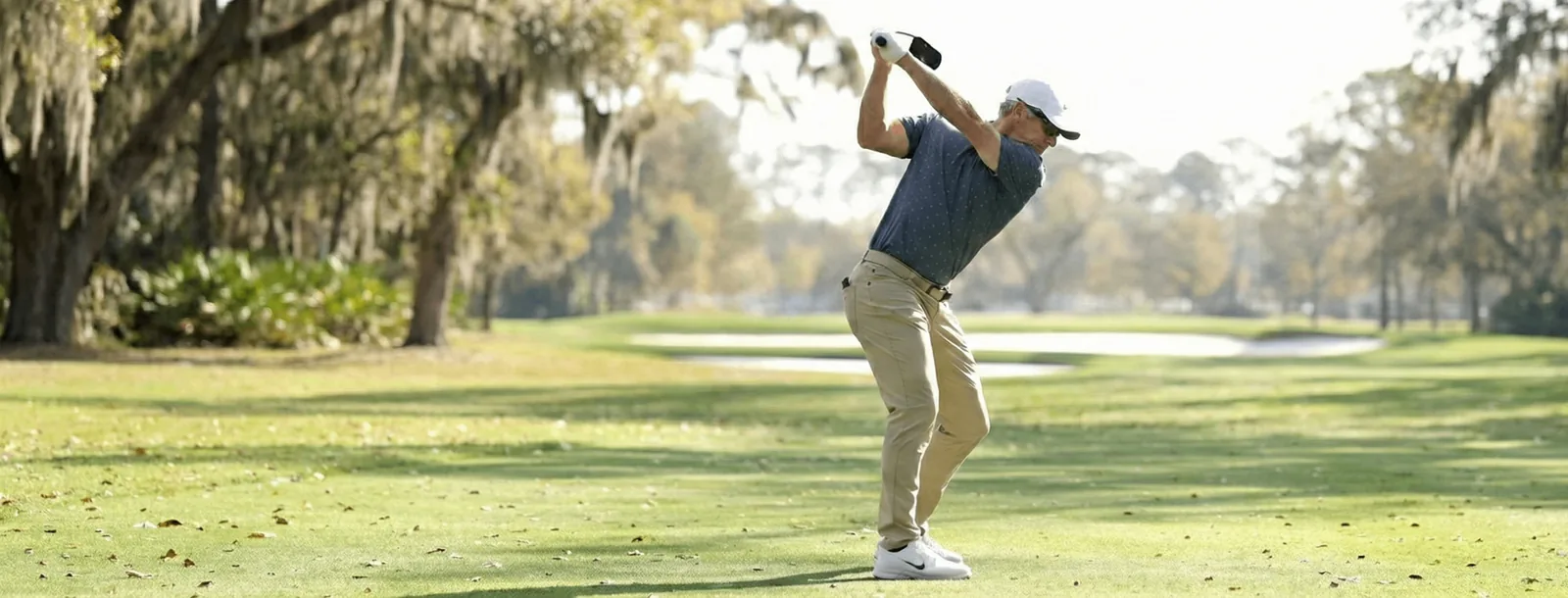
Return to recreational sports like golf, swimming, and cycling with a stable, strong knee.
Frequently Asked Questions
Is the implant different for this procedure?
No. We use the same high-quality, long-lasting knee implants as traditional surgery. The difference is solely in how we access the joint to place them.
Does this surgery take longer?
It can be slightly more technically demanding for the surgeon, but in experienced hands, the surgical time is comparable to traditional approaches, usually around 60-90 minutes.
Who is a good candidate for SubV knee replacement?
Most healthy adults with knee arthritis who want to get back to activity quickly. Dr. Harris looks at your overall health, where the arthritis is and how your knee is built. It may not suit a knee with a severe deformity or a lot of scar tissue from earlier surgery; in that case he will recommend the approach that fits your knee.
Am I a candidate if I'm overweight?
Body mass index (BMI) can be a factor. Dr. Harris evaluates every patient individually. In some cases with very muscular or heavier patients, a traditional approach might still be safer, but many are candidates.
Will I need physical therapy?
Yes, physical therapy is still crucial for restoring range of motion and balance. However, patients often find the early stages of PT less painful because their quad muscle isn't trying to heal from a cut.
 Outpatient Hip Replacement
 Robotic Knee Replacement
 Partial Knee Replacement